Home›Defense and Security withAI›IronViewNumantia
Critical Infrastructure Security
IronView Numantia
Your critical infrastructure, under control. IronView Numantia brings together perimeter cameras and sensors—connected via fiber optics—into a single view, analyzes what’s happening, and alerts you only when something is amiss. Drones verify each alarm before anyone is dispatched to the scene.
A view
All the cameras and sensors, together
Optical fiber
Reliable connectivity throughout the perimeter
Drones
Verification of Alarms from the Air
No clouds
AI runs on your own infrastructure
01 · How It Works
It detects, verifies, and alerts you.
A large perimeter generates more alerts than a surveillance team can handle. IronView Numantia screens them for the operator and only alerts them when something is amiss.
1 · Detects
Listen to the entire perimeter
It integrates existing cameras and alert sensors—connected via fiber-optic cables buried underground or mounted on the fence—into a single view.
2 · Check
Check before you panic
The AI analyzes the scene, cross-references the signals, and sends the drone to the location of the alert to confirm what is happening.
3 · It alerts you
It speaks to you, and you decide
It verbally reports what it has seen and answers your questions in natural language. It makes suggestions; the decision is always up to the operator.
02 · Critical Infrastructure
Where it makes a difference.
Essential services cannot be interrupted, and their perimeters cannot be left unguarded.
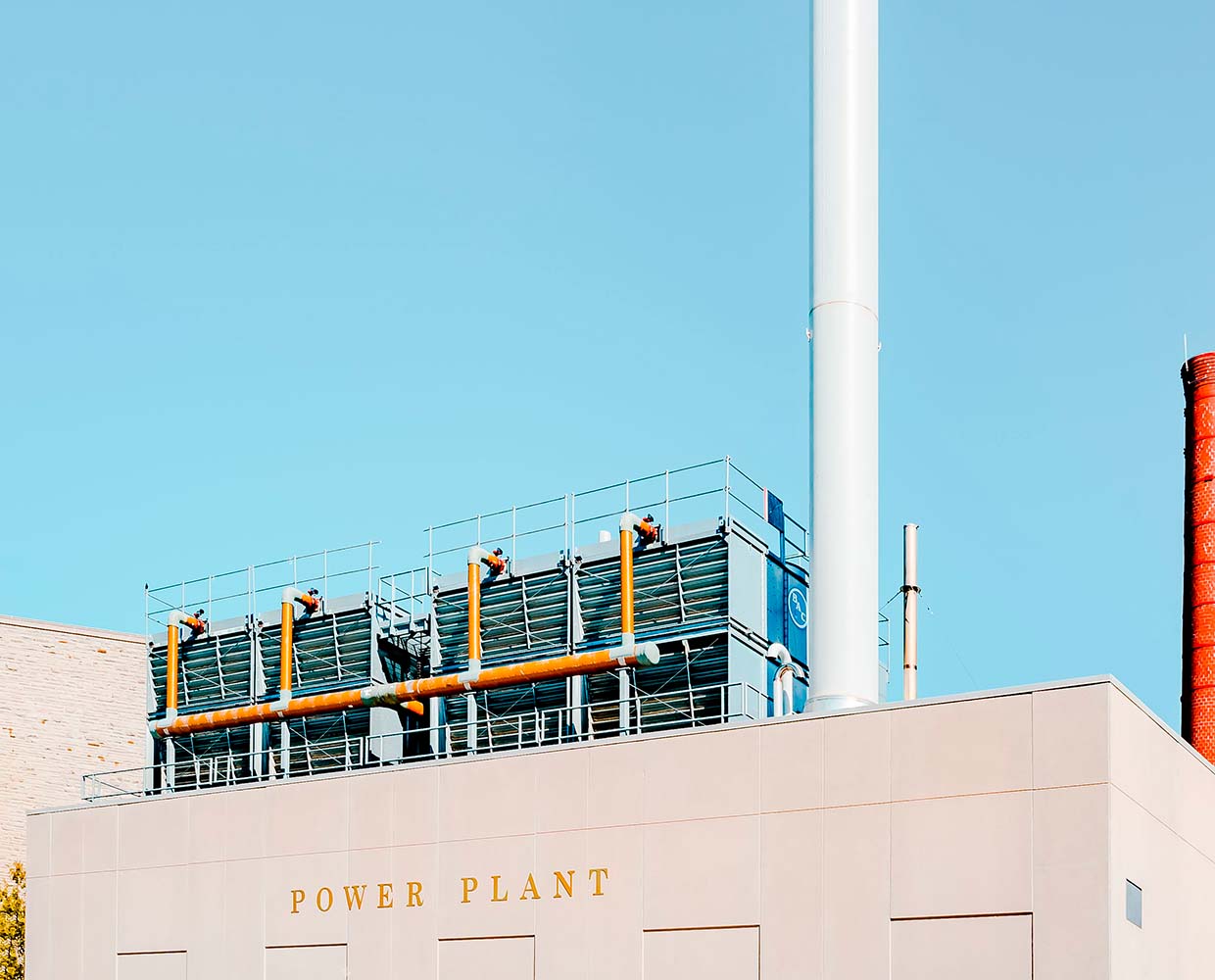
Energy
Power plants, substations, and renewable energy facilities: large areas that are often isolated and have few staff members.
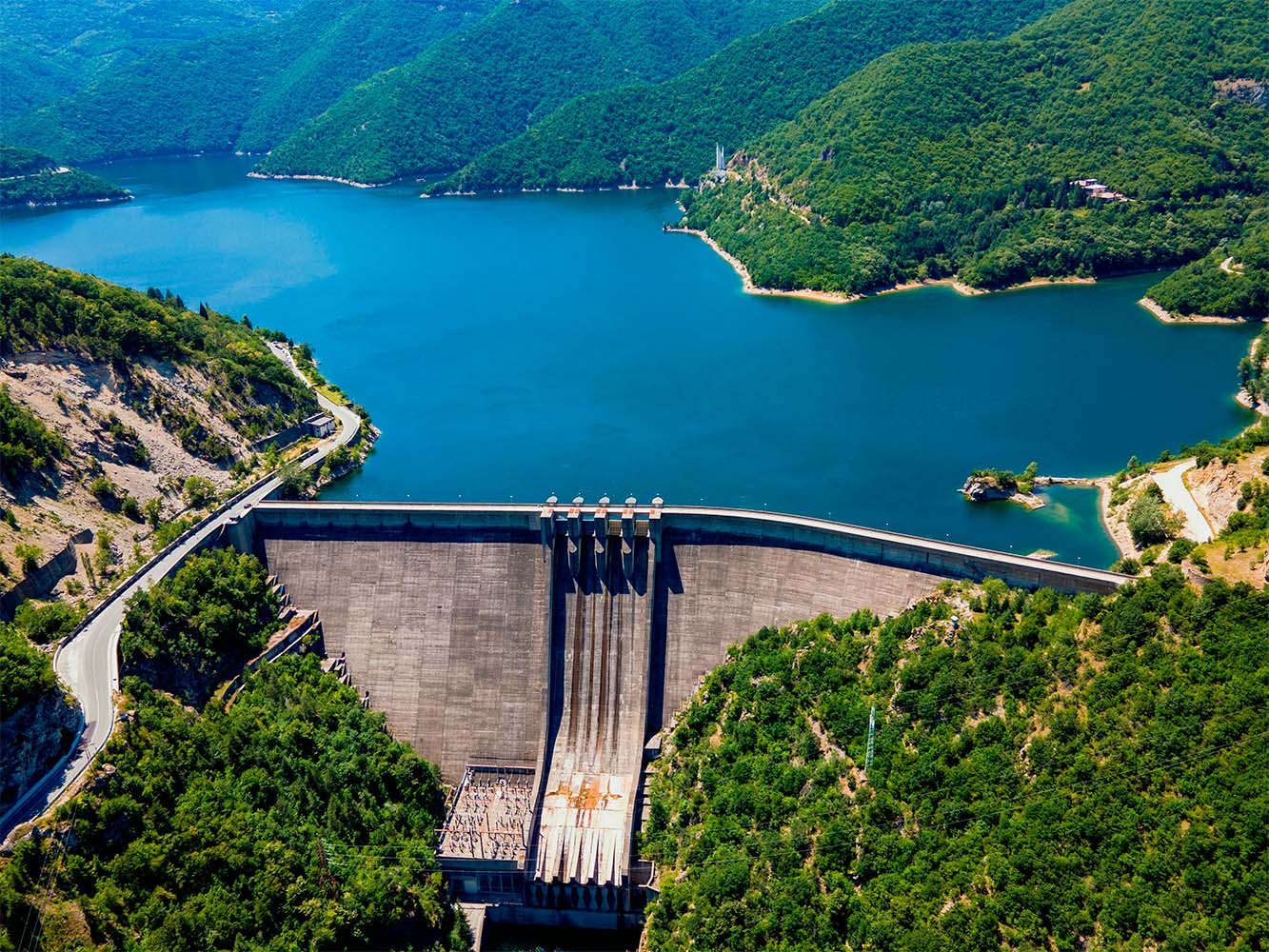
Water
Water treatment plants, wastewater treatment plants, reservoirs, and dams, where an intrusion puts the water supply at risk.

Transportation
Ports, airports, and rail hubs: long fences, multiple entrances, and a lot of activity.
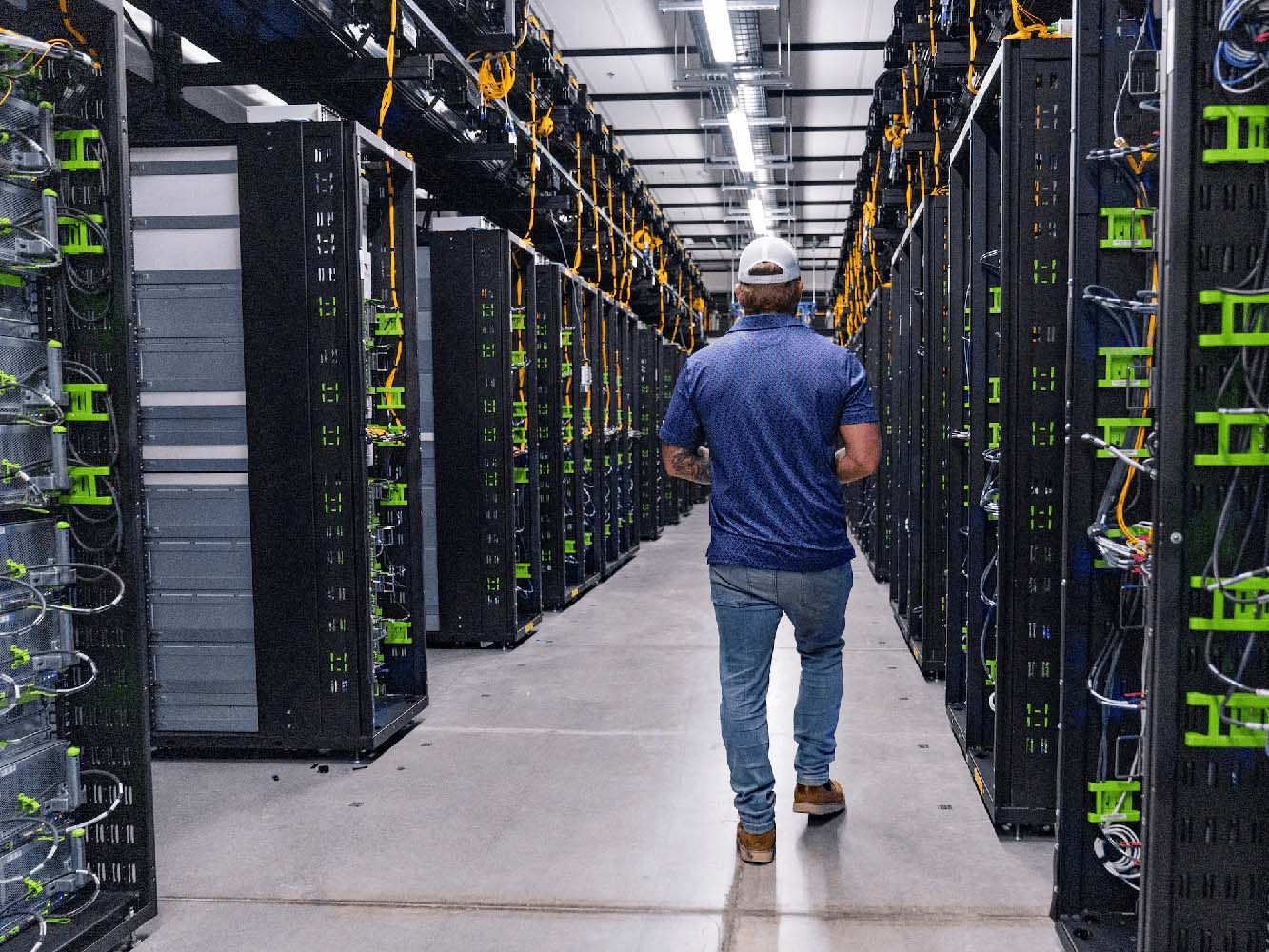
Telecommunications and Data Centers
Facilities that support communications and digital services for everyone.
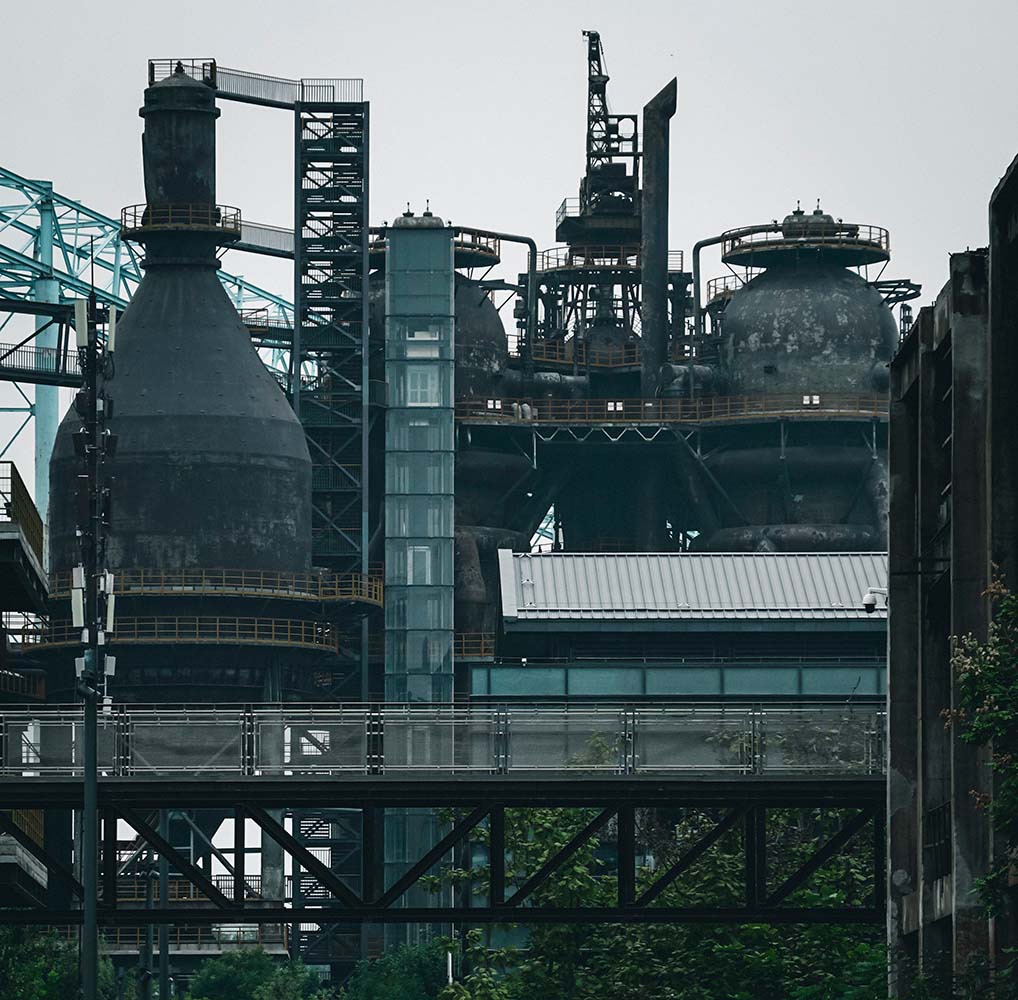
Chemical and Strategic Industry
Facilities where an incident affects the safety of people and the environment.
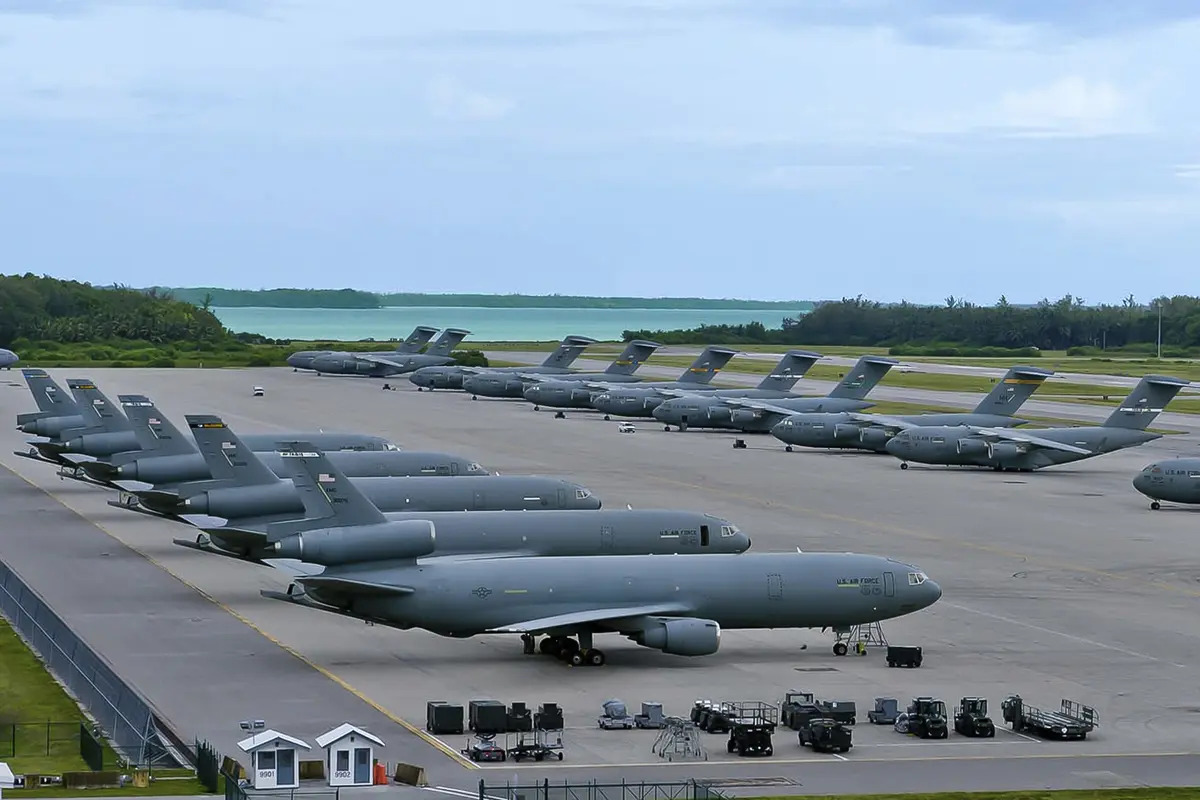
Defense bases and facilities
Continuous monitoring of the perimeter and access points, with aerial verification of each alarm.
More sensors do not mean more security.
Understanding what they're saying, yes.
03 · What Makes It Different
Designed for the security guard, not for the wall of monitors.
What's Changing in the Day-to-Day Security of Critical Infrastructure.
Without IronView Numantia
With IronView Numantia
Change the entire setup so we can get started.
Incorporate what you already have
It works with the cameras, sensors, and alert systems that are already installed, without replacing them.
Sensors that lose their signal at the farthest points.
Reliable Connectivity
Fiber-optic cables—whether buried or mounted on the fence—connect each camera and sensor with a stable link around the entire perimeter, without relying on wireless networks.
Send a patrol blindly every time an alarm goes off.
Every alarm, verified
When an alert is received, the drone flies to the location and assesses the situation before anyone is dispatched.
One screen per system and an overworked operator.
A single view of the perimeter
All the signals come together in a single picture of the situation, with the key points highlighted.
A wall of monitors that someone has to watch.
It talks to you—it doesn't show you another screen
Voice alerts and natural-language queries, so you can handle the issue without having to look at the monitors.
Third-party services that process sensitive images outside of your control.
The data does not leave the facility
AI runs on your own hardware, without the cloud: images and alerts remain under your control.
04 · Predictive AI
Learn what your day-to-day life is like.
Over time, IronView Numantia learns the normal patterns of your infrastructure: shifts, accesses, vehicles, and schedules. This allows it to better identify what is truly anomalous.
Learn About What's Normal
The typical pattern for each area
Learn what's normal at each point along the perimeter and at every hour of the day.
Fewer false alarms
The routine stops getting in the way
What the operator already recognizes as routine doesn't catch their attention; what deviates from the norm does.
Patrols where they're needed
Drones at the Highest-Risk Locations
Identify the most vulnerable locations and times, and propose patrols for those areas. The operator makes the decision.
05 · Safety and Trust
Designed for mission-critical infrastructure.
Information subject to a confidentiality agreement. Due to the nature of the industry, IronView’s technical information is not publicly available. We share documentation, functional scope, and demonstrations with government agencies, infrastructure operators, and qualified system integrators.
Certified processes at every level
When it comes to security, information protection is not an afterthought—it is a prerequisite. Our processes are certified under the National Security Scheme (MEDIUM category) and ISO 27001, and are independently audited to the same rigorous standards we apply to every AI model we deploy.

Data Sovereignty and Compliance
IronView Numantia is designed so that images, signals, and alerts remain on-site and under the customer’s control, within the national information security framework. The specific scope of compliance is defined and validated with each customer based on the facility and the use case.
Resilience is a requirement, not an option.
The decision is always a human one.
06 · Frequently Asked Questions
About IronView Numantia.
What kind of infrastructure is it designed for?
For critical infrastructure and essential services with a perimeter that needs to be monitored: energy, water, transportation, telecommunications, the chemical and strategic industries, and defense facilities. It adapts to each facility.
Do we have to replace the cameras and sensors we already have?
No. IronView Numantia is designed to integrate existing equipment and add intelligence to it. Each installation is evaluated to determine what can be utilized and what should be added.
What are the benefits of fiber optics?
It ensures connectivity for cameras and sensors along the entire perimeter—whether buried or mounted along the fence—with a stable connection that does not rely on wireless networks or commercial coverage.
What role do drones play?
They are the backbone of the system: they conduct scheduled inspection rounds and respond to the scene of an alert to assess and verify the situation before mobilizing anyone.
Does it work without an internet connection?
Yes. The AI runs on the facility's own equipment, without the cloud or third-party services, and remains operational even if the external connection fails.
How can we see a demonstration?
We respond to requests from identified organizations, infrastructure operators, and system integrators. After signing a confidentiality agreement, we share documentation and arrange a demonstration.
07 · Contact
Let's talk about the security of your infrastructure.
If you are responsible for the security of critical infrastructure, an essential service, or a defense facility, and you want to evaluate how to implement IronView Numantia, the quickest way is to have a conversation.
We respond to requests from verified organizations and sign a confidentiality agreement before going into detail.